

Cultural & Folk Festival · North America & Caribbean
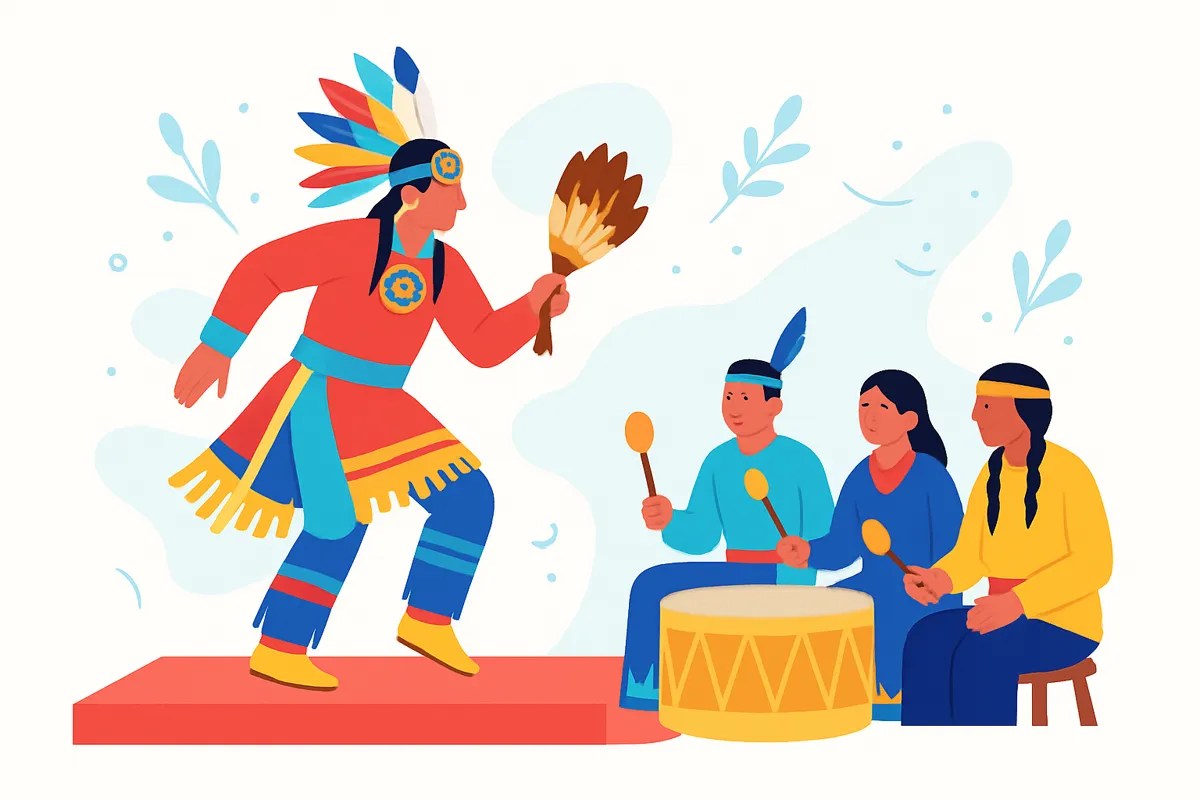
Competition powwow from Tiny Tot to Living Treasures, across traditional, grass, fancy, jingle and chicken dance styles, plus the drum contest.
Sets up a competition powwow: dance styles by gender and age from Tiny Tot to Living Treasures, a drum contest for singing groups, and first, second and third placing points accumulated across sessions.
This template builds the contest side of a competition powwow in North America. A coordinator opens an event that already holds the age divisions, the dance styles and the drum contest, instead of working out a ragged category list from scratch. It suits powwow committees, cultural centres and schools that run a judged dance and drum contest alongside a gathering, and it describes the contest structure only: the social dancing, grand entries and ceremony around it are outside what the software handles.
A powwow category is a dance style crossed with gender and age, so the template treats style as the item and keeps age and gender as separate axes. Seven age divisions run from Tiny Tot (six and under, boys and girls combined) through Junior (7 to 12), Teen (13 to 17), Adult (18 to 39), Senior (40 to 59) and Golden Age (60 to 69) to Living Treasure (70 and over). Younger divisions hold separate style lists such as Jingle, Fancy, Traditional, Grass and Chicken. The matrix is deliberately uneven: adult women dance Northern or Southern Buckskin/Cloth, adult men Northern Traditional or Southern Straight, and the Senior and Golden Age divisions merge styles into combined categories (Northern/Southern Traditional, Fancy Shawl/Jingle for women, Grass/Fancy/Chicken for men). Living Treasure is a single combined category for each gender. Every combination is listed explicitly rather than generated, so what you see is what a dancer can enter.
Scoring follows a point system rather than a single judged score. A dancer wears a registrar-issued number that is recorded at each grand entry, and points build up across the sessions of the contest. The template carries a mark out of 100 per entry and first, second and third place points of 10, 6 and 3. The published rules do not fix a time limit, the number of judges per category or an entry fee, so those are left at zero for the organiser to set. Dancers normally enter one category only and cannot switch after registering, and an organiser may combine any category with fewer than five dancers; the software models the categories, not that combining decision.
To run it, open the Registration Page for entries, record each dancer in a single category, add your judges and let the tabulation produce placings per category. The Drum Contest is entered by a singing group rather than an individual, so register one entry per drum group. Check the age cut-offs against your own rules before you publish, and remember the template lists one Teen-and-Junior Chicken category as two rows, one per age band, because groups here are set per age band.
Where this event comes from
Competition powwows grew out of the intertribal gatherings of Native nations in North America, where dance and drumming are community and cultural practices before they are contests, and the judged categories reflect that.
Where this event is run
Competition powwows across the United States and Canada, in spring and summer gatherings hosted by tribal communities, universities, cultural centres and city events. It is not a fit for a general dance show or talent contest: the styles, regalia and etiquette are specific to powwow culture, and the contest should be organised with the knowledge and respect of the community that hosts it.
- United States
- Canada
- North America
Key facts
- 15 categories: ten style-based dance categories, four combined senior and open categories, and one Drum Contest
- Seven age divisions from Tiny Tot (6 and under) to Living Treasure (70 and over)
- Style is the item; gender and age are separate axes, and the matrix is uneven by design
- Dancers enter one category only; categories with fewer than five entries may be combined by the organiser
- Placing points of 10, 6 and 3 for first, second and third, with marks out of 100 per entry
- Drum Contest is entered by a singing group; time limit, fee and judge count are not fixed by the published rules
- Age groups
- 7
- Competition items
- 15
- Competitions
- 35
- Grade bands
- 0
- Rank awards
- 3
Age groups
Every candidate is placed into one of these groups by age, and competitions are run per group.
Tiny Tot
Candidates aged 0 to 6 compete in this group
Junior (7-12)
Candidates aged 7 to 12 compete in this group
Teen (13-17)
Candidates aged 13 to 17 compete in this group
Adult (18-39)
Candidates aged 18 to 39 compete in this group
Senior (40-59)

Candidates aged 40 to 59 compete in this group
Golden Age
Candidates aged 60 to 69 compete in this group
Living Treasure
Candidates aged 70 to 99 compete in this group
Competition items
The events themselves — each with the category it belongs to and how judges score it.
Tiny Tot (Combined)
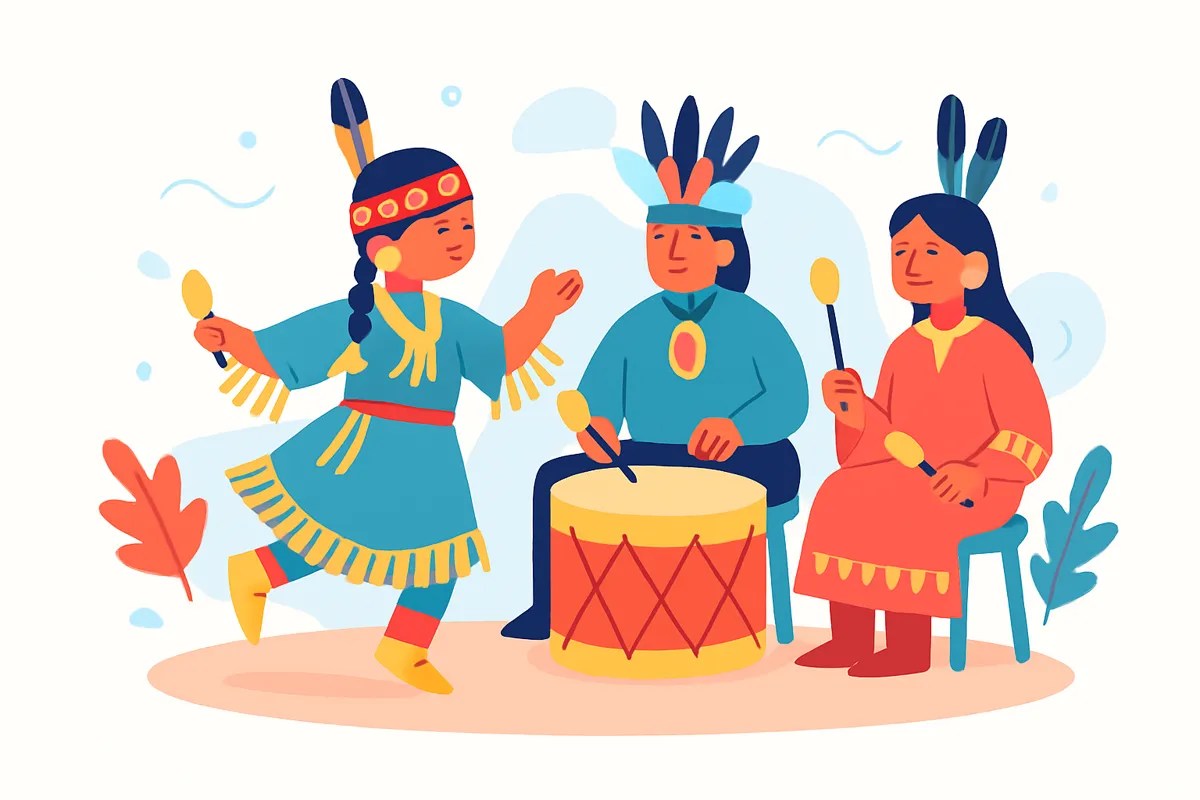
Jingle
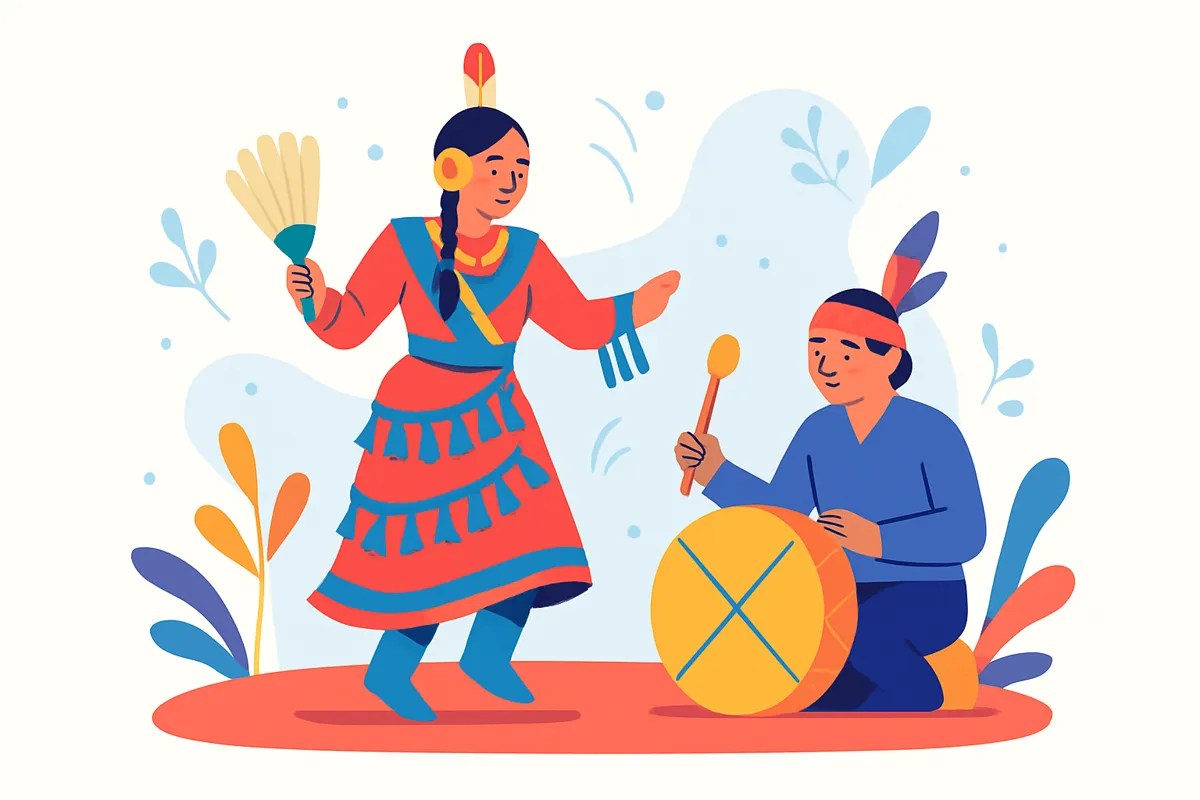
Fancy
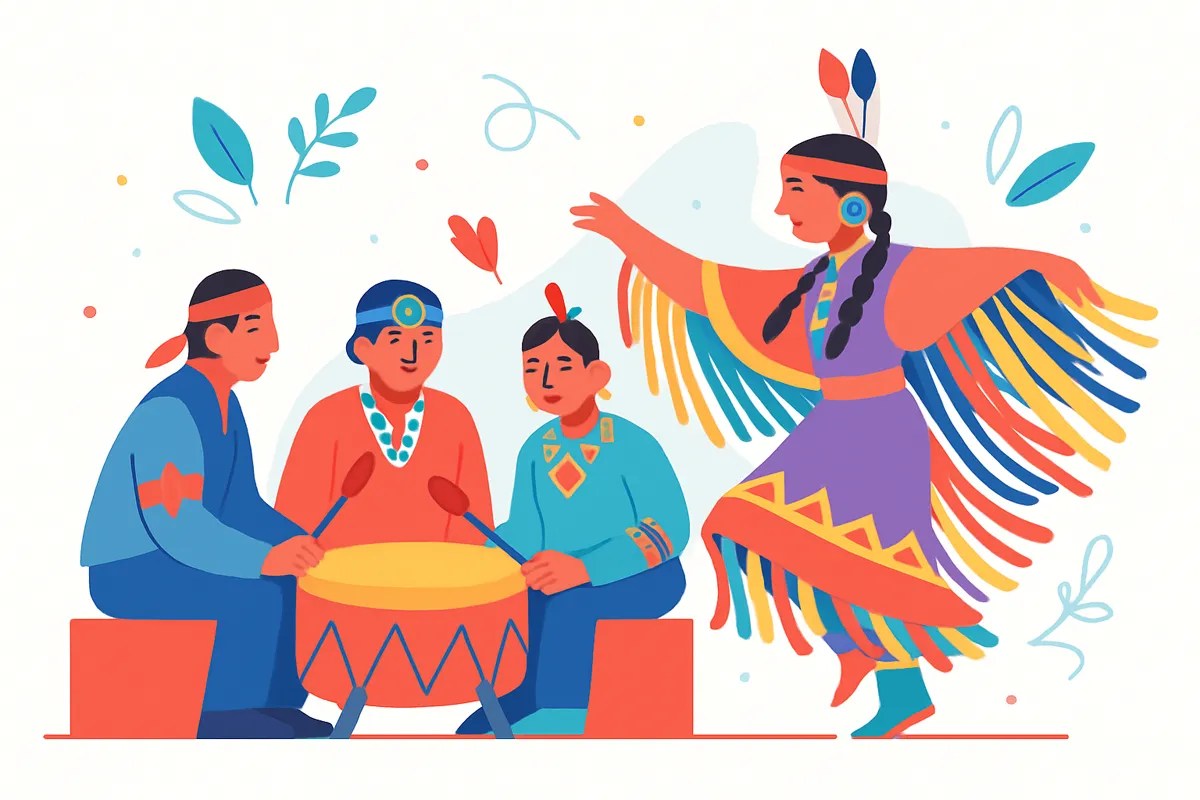
Traditional
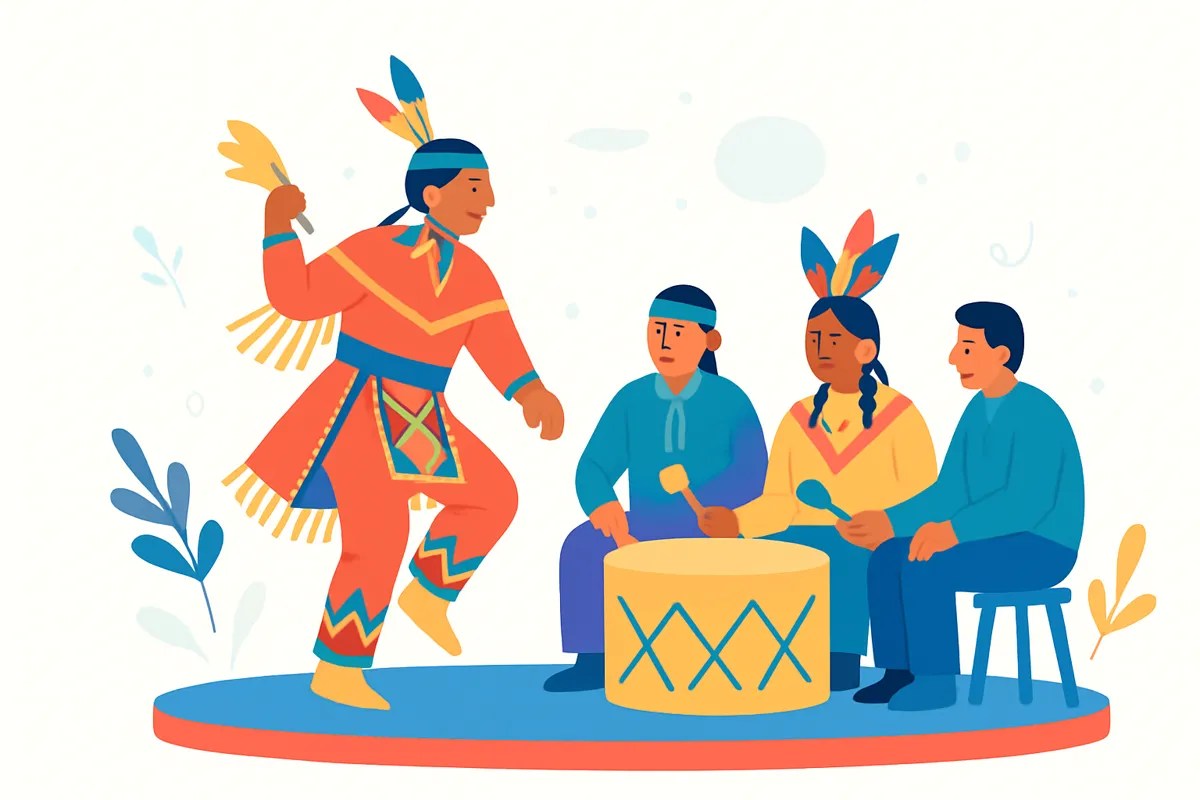
Grass
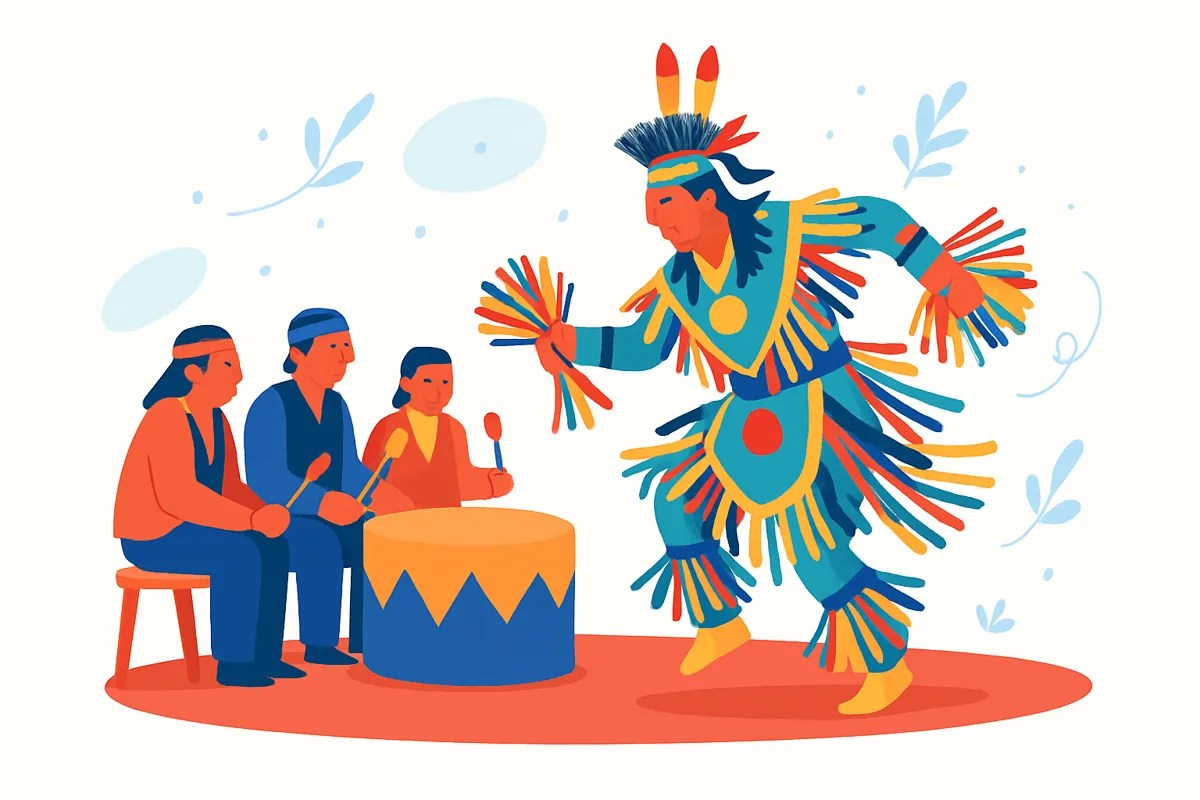
Chicken
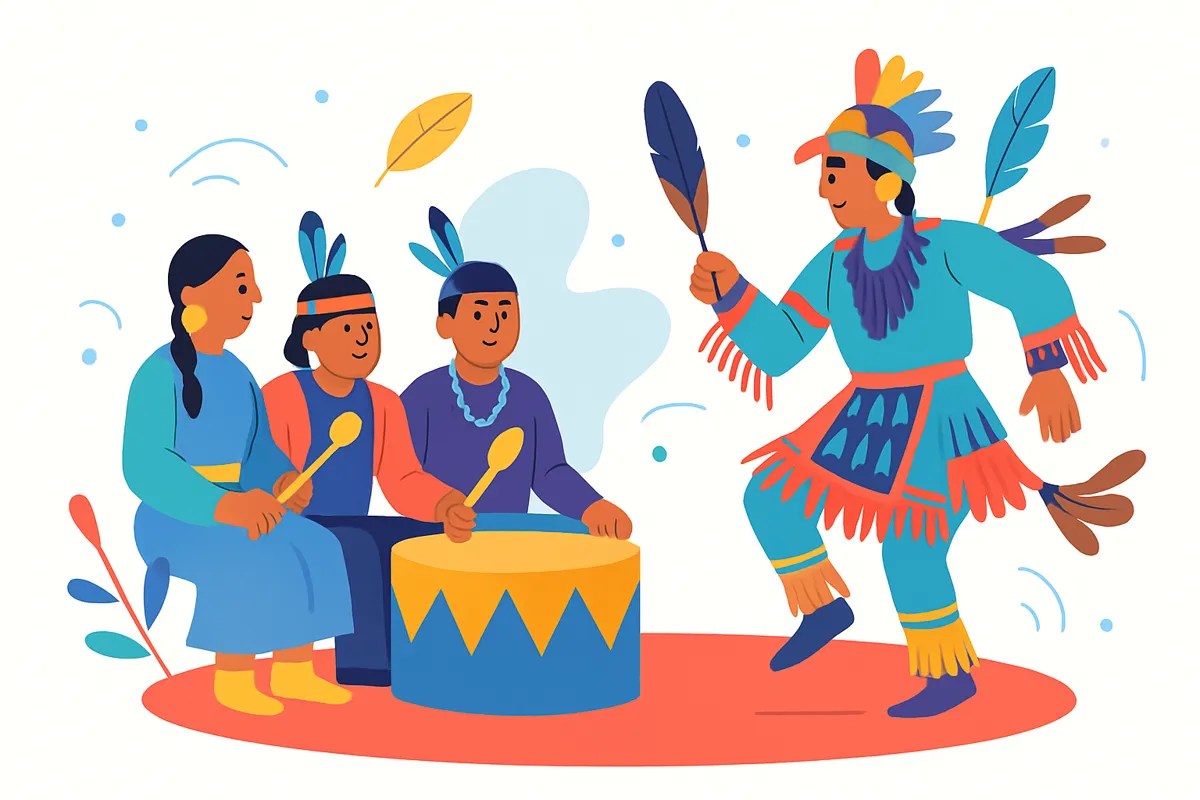
No. Buckskin/Cloth

So. Buckskin/Cloth
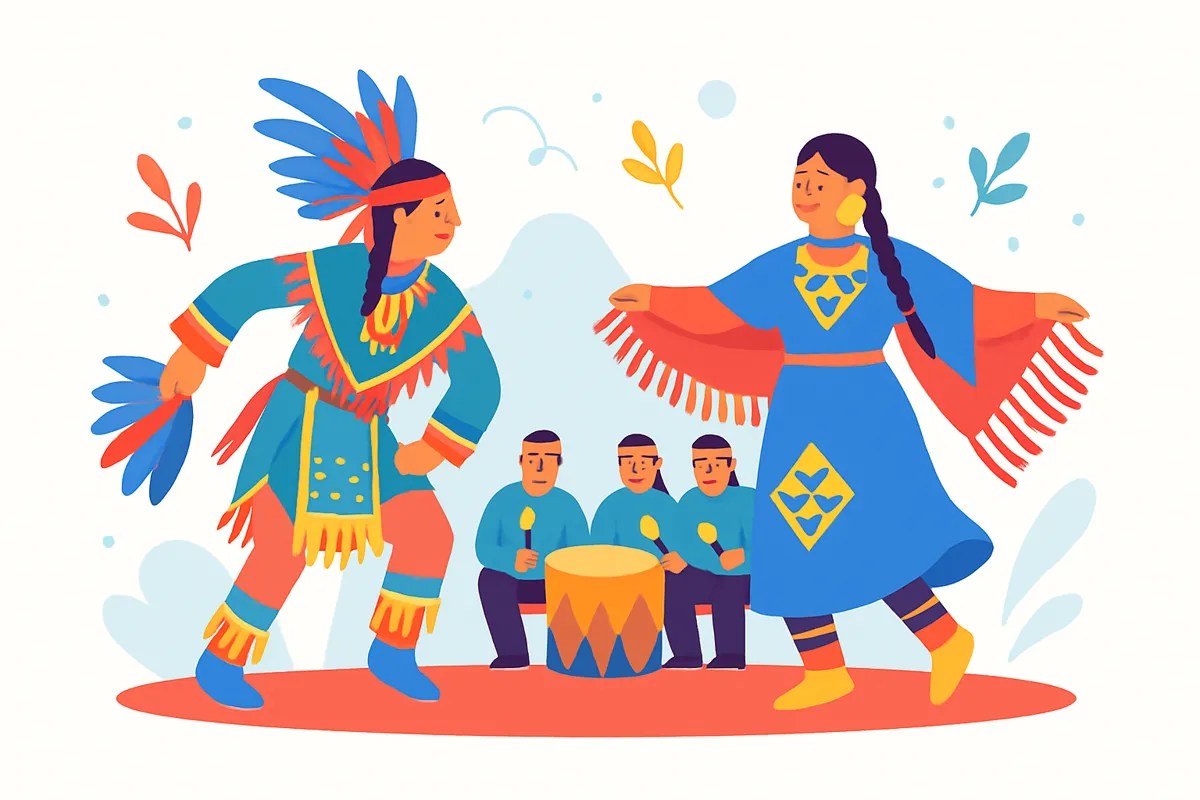
No. Traditional
So. Straight
No./So. Traditional
Fancy Shawl/Jingle
Grass/Fancy/Chicken
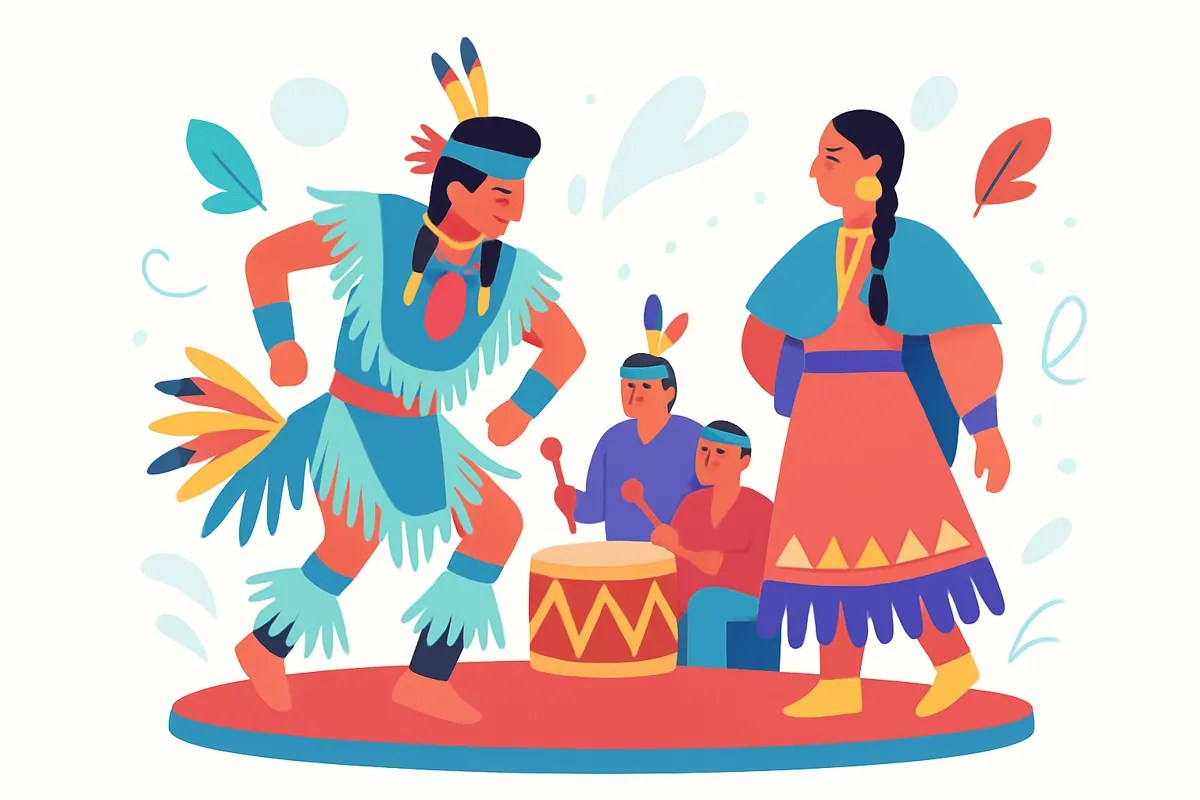
All Styles (Combined)
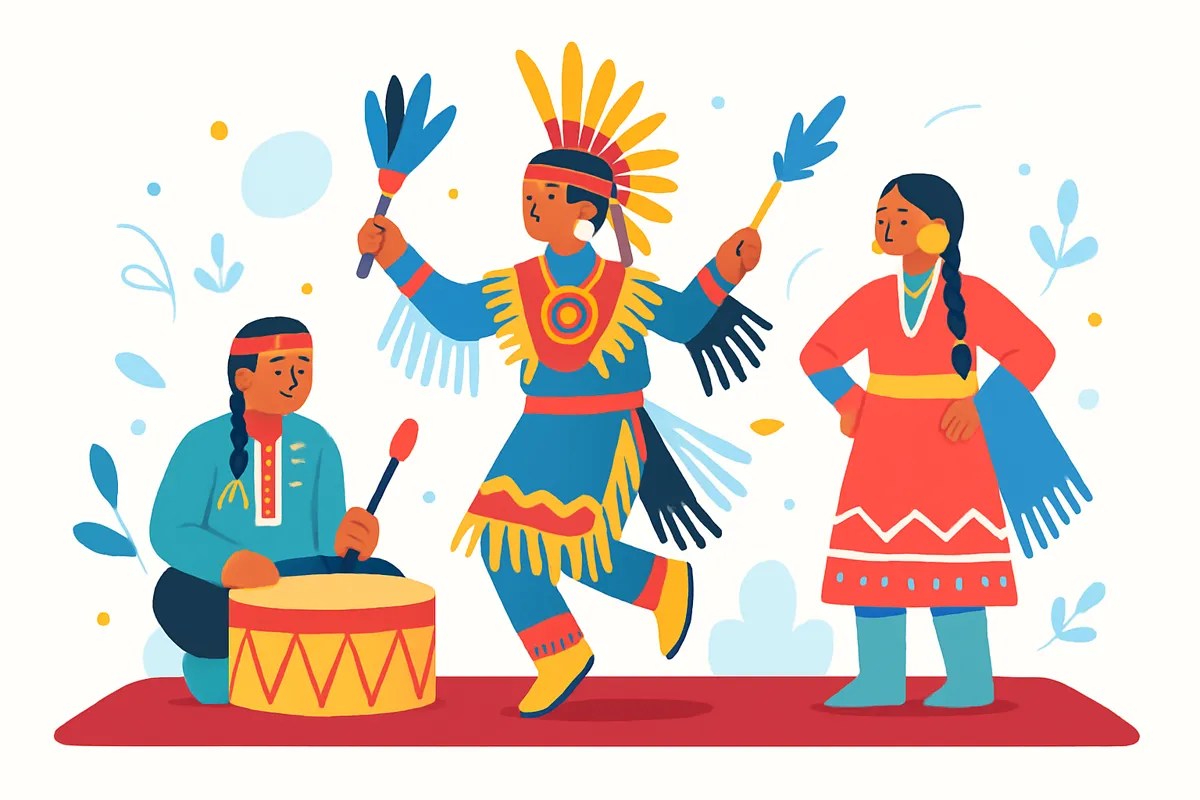
Drum Contest
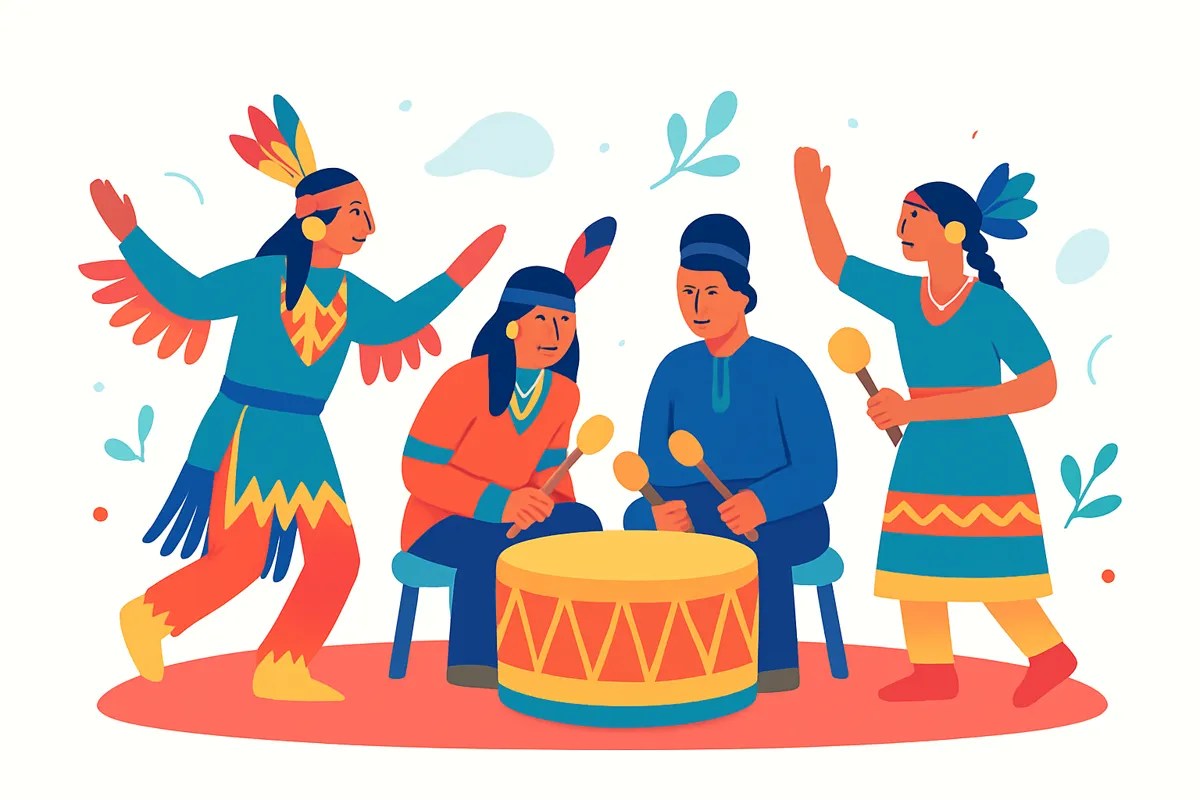
Competitions by group
The full schedule matrix, sectioned by age group then category — which item runs for whom, and for how long.
| Item | Type | Gender | Language | Max score | Time limit |
|---|---|---|---|---|---|
| Tiny Tot | |||||
| On Stage | |||||
| Item | Type | Gender | Language | Max score | Time limit |
| Tiny Tot (Combined) | Individual | — | — | 100 | — |
| Junior (7-12) | |||||
| On Stage | |||||
| Item | Type | Gender | Language | Max score | Time limit |
| Jingle | Individual | Female | — | 100 | — |
| Fancy | Individual | Female | — | 100 | — |
| Traditional | Individual | Female | — | 100 | — |
| Grass | Individual | Male | — | 100 | — |
| Fancy | Individual | Male | — | 100 | — |
| Traditional | Individual | Male | — | 100 | — |
| Chicken | Individual | Male | — | 100 | — |
| Teen (13-17) | |||||
| On Stage | |||||
| Item | Type | Gender | Language | Max score | Time limit |
| Jingle | Individual | Female | — | 100 | — |
| Fancy | Individual | Female | — | 100 | — |
| Traditional | Individual | Female | — | 100 | — |
| Grass | Individual | Male | — | 100 | — |
| Fancy | Individual | Male | — | 100 | — |
| Traditional | Individual | Male | — | 100 | — |
| Chicken | Individual | Male | — | 100 | — |
| Adult (18-39) | |||||
| On Stage | |||||
| Item | Type | Gender | Language | Max score | Time limit |
| Jingle | Individual | Female | — | 100 | — |
| Fancy | Individual | Female | — | 100 | — |
| No. Buckskin/Cloth | Individual | Female | — | 100 | — |
| So. Buckskin/Cloth | Individual | Female | — | 100 | — |
| Grass | Individual | Male | — | 100 | — |
| Fancy | Individual | Male | — | 100 | — |
| No. Traditional | Individual | Male | — | 100 | — |
| So. Straight | Individual | Male | — | 100 | — |
| Chicken | Individual | Male | — | 100 | — |
| Drum Contest | Team | — | — | 100 | — |
| Senior (40-59) | |||||
| On Stage | |||||
| Item | Type | Gender | Language | Max score | Time limit |
| No./So. Traditional | Individual | Female | — | 100 | — |
| Fancy Shawl/Jingle | Individual | Female | — | 100 | — |
| No./So. Traditional | Individual | Male | — | 100 | — |
| Grass/Fancy/Chicken | Individual | Male | — | 100 | — |
| Golden Age | |||||
| On Stage | |||||
| Item | Type | Gender | Language | Max score | Time limit |
| No./So. Traditional | Individual | Female | — | 100 | — |
| Fancy Shawl/Jingle | Individual | Female | — | 100 | — |
| No./So. Traditional | Individual | Male | — | 100 | — |
| Grass/Fancy/Chicken | Individual | Male | — | 100 | — |
| Living Treasure | |||||
| On Stage | |||||
| Item | Type | Gender | Language | Max score | Time limit |
| All Styles (Combined) | Individual | Female | — | 100 | — |
| All Styles (Combined) | Individual | Male | — | 100 | — |
Grades and ranks
How scores turn into grade bands, and how many points each placing is worth.
| Rank | For | Points |
|---|---|---|
| First | 10 | |
| Second | 6 | |
| Third | 3 |
Frequently asked questions
Can I change this template after installing it?
Yes — installing it creates a fully configured, live event, not a locked package. Every age group, competition item, rule and scoring setting can be edited afterwards to match exactly what your event actually needs.
Do I need technical knowledge to set this up?
No. Installing a template does the setup work for you; you only need to review the details (dates, unit or house names) and open registration.
Want the fuller picture first? See our guide to folk dance judging criteria guide.
Install this template in eTalenter
Everything above is installed as a live, editable event in one step — age groups, items, rules and scoring. Start your own below.
Start a Powwow Dance & Drum Competition (Denver March Powwow) event


