

Kalotsavam · School Kalotsavam
India’s national school arts festival run by the Ministry of Education and NCERT for classes IX-XII, also used for district, state, KVS, NVS and EMRS rounds: six categories with 22 solo and group sub-categories (vocal, instrumental, dance, theatre, visual arts and local crafts, traditional story telling), with the printed 100-mark evaluation sheet for every art form (2024-25 guidelines).
Sets up an Indian national-style school arts festival for classes IX-XII: six categories with 22 solo and group items across vocal and instrumental music, dance, theatre, visual arts and local crafts, and traditional story telling, each with its own printed 100-mark evaluation sheet.
This template rebuilds the national school arts festival of India for senior pupils, the programme in which students of classes IX to XII from government, government-aided and private schools compete in arts. The same rulebook is also used for district and state rounds and by central and residential school systems, so one template covers every stage. A coordinator opens an event that already carries the groups, the 22 items and a marking sheet for each, instead of starting from a blank catalogue.
Entries fall into six broad categories, and each category is split into sub-categories. Vocal music has classical, traditional folk or tribal and devotional solos, plus choir, folk or tribal, devotional and patriotic groups. Instrumental music has classical percussion and classical melodic solos and an orchestra ensemble. Dance has a classical solo, a regional folk or tribal group and a non-filmy contemporary choreography group. Theatre has mono act and mimicry solos, a mime group and a play group. Visual arts covers two-dimensional and three-dimensional work, indigenous toys and games, and local crafts. Traditional story telling stands as its own category.
Two age groups are installed: IX-XII Solo for one-student entries and IX-XII Group for team entries, both for ages 14 to 17 and restricted to classes 9 to 12. The printed rules give classes, not ages, so the age span is an eTalenter mapping. Items are open to boys and girls, because the rules ask for equal participation rather than one boy and one girl. Solo entries are one student, group entries up to five, and story telling takes one or two. A student enters one category only.
Every art form carries its own evaluation sheet totalling 100 marks, and each includes 20 marks for a written summary and video. Vocal and instrumental music and visual arts are marked as five criteria of 20; dance and theatre use six criteria of unequal weight, and story telling does too. Performance items run 4 to 6 minutes for music and dance, 6 to 8 minutes for drama and up to 5 for story telling, while visual arts are made on the spot over three days with no minute limit. The platform does not model the size limits for artworks, the group cap, the one-sub-category-per-team rule or the prizes, and the rulebook prints no points for places, so no rank points are installed. Check your own circular for the yearly changes before the day.
Where this event is run
India, in school systems running classes IX-XII, at school, district, state and national stages. The structure suits any organiser staging a senior school arts day that mixes solo and team entries across music, dance, theatre and visual arts and wants every judge to use the same published 100-mark sheet. It is less suited to a festival for primary pupils, or one that needs ranked points per place.
- India (national school arts festival, classes IX-XII)
Key facts
- Two groups: IX-XII Solo (one student) and IX-XII Group (up to five students), ages 14-17, classes 9-12
- 22 items across six categories: vocal music, instrumental music, dance, theatre, visual arts and traditional story telling
- A separate printed 100-mark evaluation sheet for each art form, with 20 marks for the written summary and video
- Performance limits of 4-6 minutes for music and dance, 6-8 for drama and up to 5 for story telling
- Open to boys and girls; places are recorded without points, so add your own rank points if you need them
- Age groups
- 2
- Competition items
- 22
- Competitions
- 23
- Grade bands
- 0
- Rank awards
- 0
Age groups
Every candidate is placed into one of these groups by age, and competitions are run per group.
IX-XII Solo

Candidates aged 14 to 17 compete in this group
IX-XII Group
Candidates aged 14 to 17 compete in this group
Competition items
The events themselves — each with the category it belongs to and how judges score it.
Vocal Music - Classical
Vocal Music - Traditional Folk/Tribal

Vocal Music - Devotional
Vocal Music - Choir Group

Vocal Music - Folk/Tribal Group
Vocal Music - Devotional Group
Vocal Music - Patriotic Group

Instrumental Music - Classical Percussion
Instrumental Music - Classical Melodic
Instrumental Music - Orchestra Ensemble
Dance - Classical
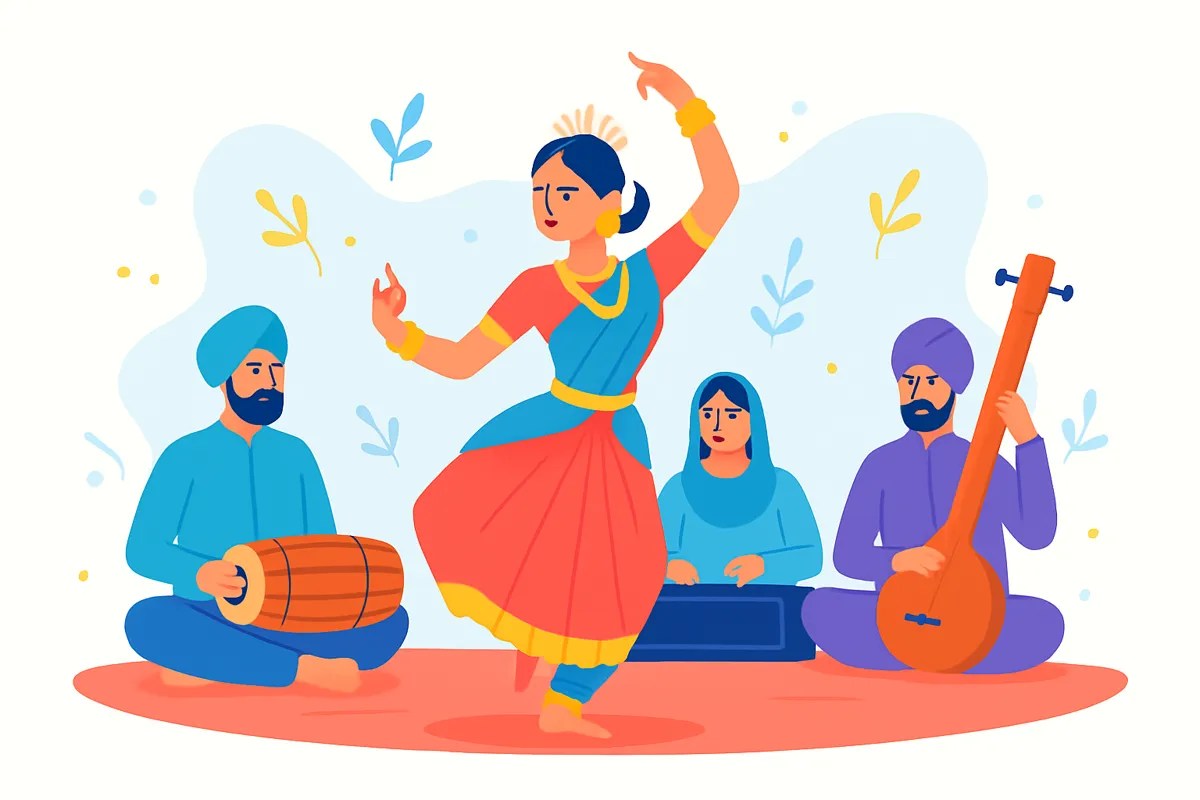
Dance - Regional Folk/Tribal Group

Dance - Non-filmy Contemporary Choreography

Drama - Mono Act

Drama - Mimicry

Drama - Mime Group

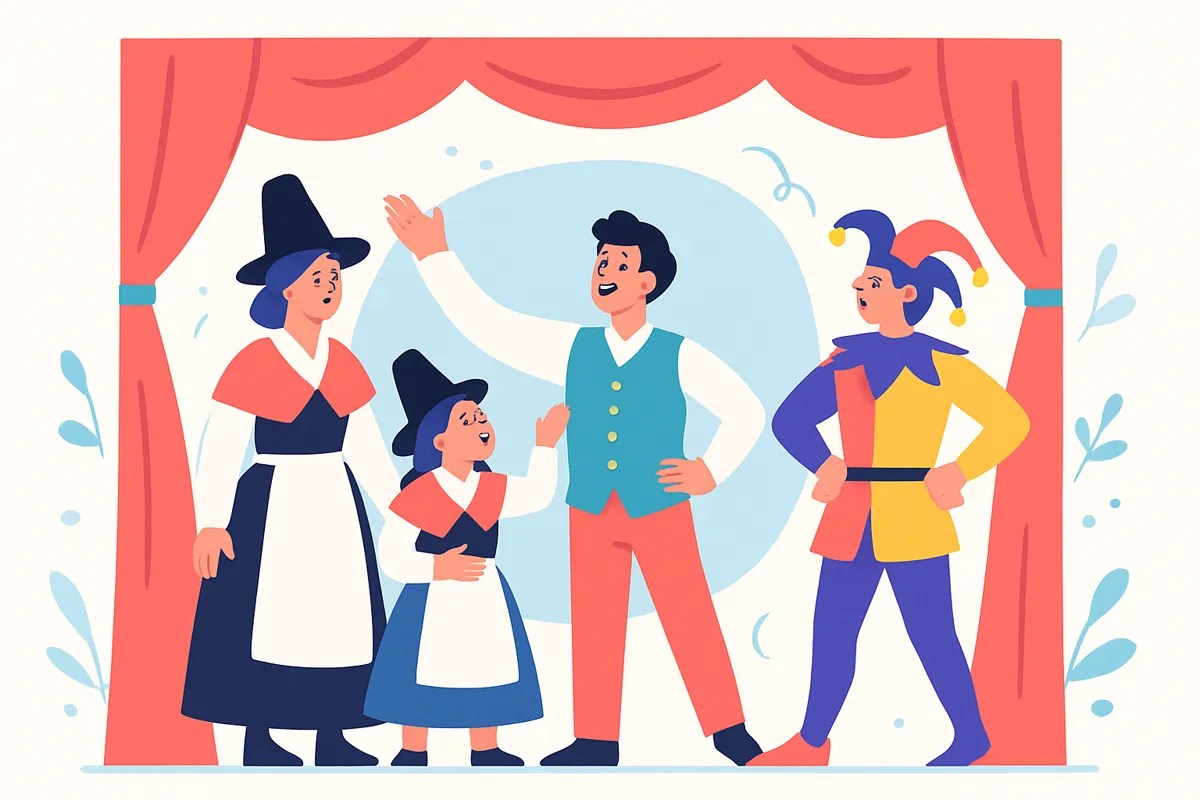
Drama - Play Group
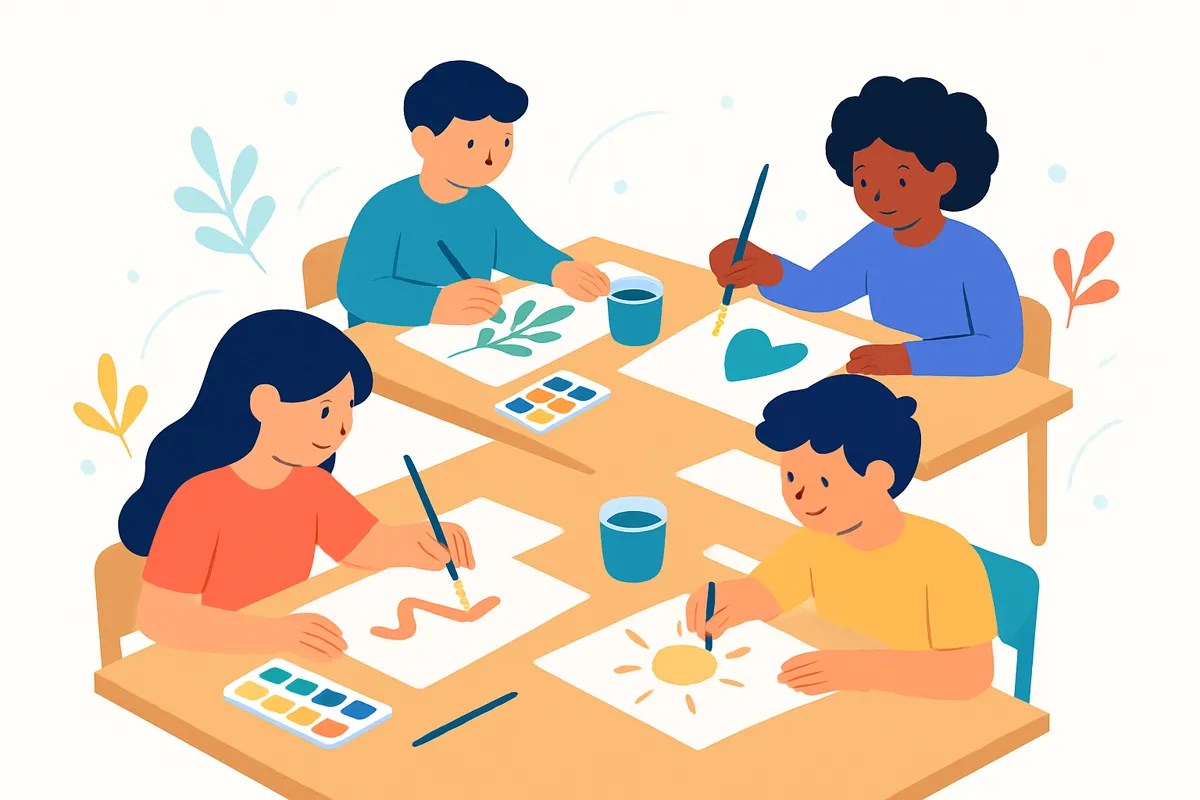
Visual Arts - 2 Dimensional
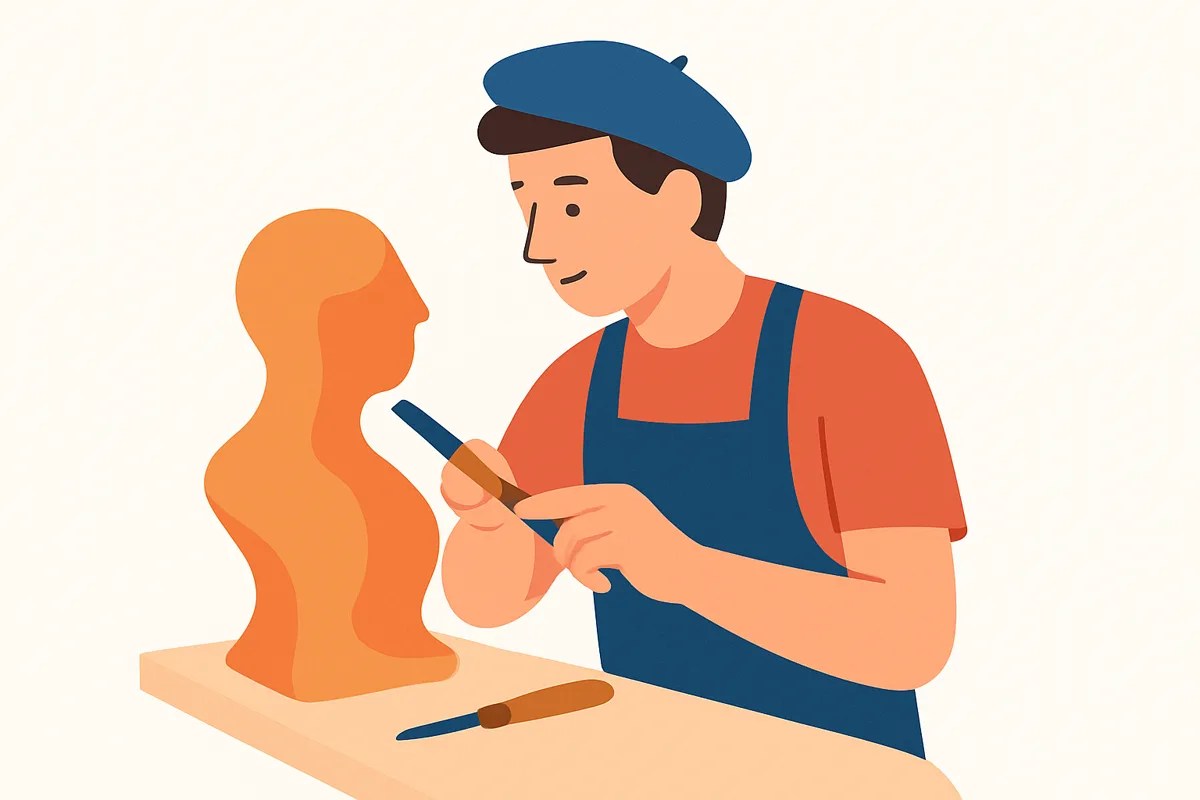
Visual Arts - 3 Dimensional
Indigenous Toys and Games

Local Crafts

Traditional Story Telling

Competitions by group
The full schedule matrix, sectioned by age group then category — which item runs for whom, and for how long.
| Item | Type | Gender | Language | Max score | Time limit |
|---|---|---|---|---|---|
| IX-XII Solo | |||||
| Music | |||||
| Item | Type | Gender | Language | Max score | Time limit |
| Vocal Music - Classical | Individual | — | — | 100 | 6 min |
| Vocal Music - Traditional Folk/Tribal | Individual | — | — | 100 | 6 min |
| Vocal Music - Devotional | Individual | — | — | 100 | 6 min |
| Instrumental Music - Classical Percussion | Individual | — | — | 100 | 6 min |
| Instrumental Music - Classical Melodic | Individual | — | — | 100 | 6 min |
| Classical Dance | |||||
| Item | Type | Gender | Language | Max score | Time limit |
| Dance - Classical | Individual | — | — | 100 | 6 min |
| Drama | |||||
| Item | Type | Gender | Language | Max score | Time limit |
| Drama - Mono Act | Individual | — | — | 100 | 8 min |
| Drama - Mimicry | Individual | — | — | 100 | 8 min |
| Art | |||||
| Item | Type | Gender | Language | Max score | Time limit |
| Visual Arts - 2 Dimensional | Individual | — | — | 100 | — |
| Visual Arts - 3 Dimensional | Individual | — | — | 100 | — |
| Indigenous Toys and Games | Individual | — | — | 100 | — |
| Local Crafts | Individual | — | — | 100 | — |
| Literacy | |||||
| Item | Type | Gender | Language | Max score | Time limit |
| Traditional Story Telling | Individual | — | — | 100 | 5 min |
| IX-XII Group | |||||
| Music | |||||
| Item | Type | Gender | Language | Max score | Time limit |
| Vocal Music - Choir Group | Team | — | — | 100 | 6 min |
| Vocal Music - Folk/Tribal Group | Team | — | — | 100 | 6 min |
| Vocal Music - Devotional Group | Team | — | — | 100 | 6 min |
| Vocal Music - Patriotic Group | Team | — | — | 100 | 6 min |
| Instrumental Music - Orchestra Ensemble | Team | — | — | 100 | 6 min |
| Dance | |||||
| Item | Type | Gender | Language | Max score | Time limit |
| Dance - Regional Folk/Tribal Group | Team | — | — | 100 | 6 min |
| Dance - Non-filmy Contemporary Choreography | Team | — | — | 100 | 6 min |
| Drama | |||||
| Item | Type | Gender | Language | Max score | Time limit |
| Drama - Mime Group | Team | — | — | 100 | 8 min |
| Drama - Play Group | Team | — | — | 100 | 8 min |
| Literacy | |||||
| Item | Type | Gender | Language | Max score | Time limit |
| Traditional Story Telling | Team | — | — | 100 | 5 min |
Grades and ranks
How scores turn into grade bands, and how many points each placing is worth.
| Grade | For | Condition | Score | Points |
|---|---|---|---|---|
| Rank | For | Points |
|---|---|---|
Frequently asked questions
Can I change this template after installing it?
Yes — installing it creates a fully configured, live event, not a locked package. Every age group, competition item, rule and scoring setting can be edited afterwards to match exactly what your event actually needs.
Do I need technical knowledge to set this up?
No. Installing a template does the setup work for you; you only need to review the details (dates, unit or house names) and open registration.
Want the fuller picture first? See our guide to judge scoring and tabulation software.
Install this template in eTalenter
Everything above is installed as a live, editable event in one step — age groups, items, rules and scoring. Start your own below.
Start a Kala Utsav (India National School Arts Festival) event


