

Speech & Drama · Channel Islands & Gibraltar
Eisteddfod Guernsey’s 50-year-running Speech & Drama section (300-400 performers a year): 10 real classes (Character Study, Musical Character Study, Monologue, Duologue, Musical Duo/Trio-Quartet, Devised and Scripted Group Work, Scene from a Play) across 6 real age bands, built from the section’s own official 2026 syllabus.
A ready-made speech and drama festival programme: ten classes from solo character studies to large devised group pieces, set across six age bands from four years to adult, with every time limit already entered.
This template models the speech and drama section of a long-running island eisteddfod, built from that section’s own 2026 syllabus. The section draws roughly 300 to 400 performers a year and is adjudicated by visiting specialists, which is why the programme is organised around classes and age ladders rather than a single national ranking. Performers enter a class for their age, perform once in front of an adjudicator and an audience, and receive a written and spoken critique along with a banded result.
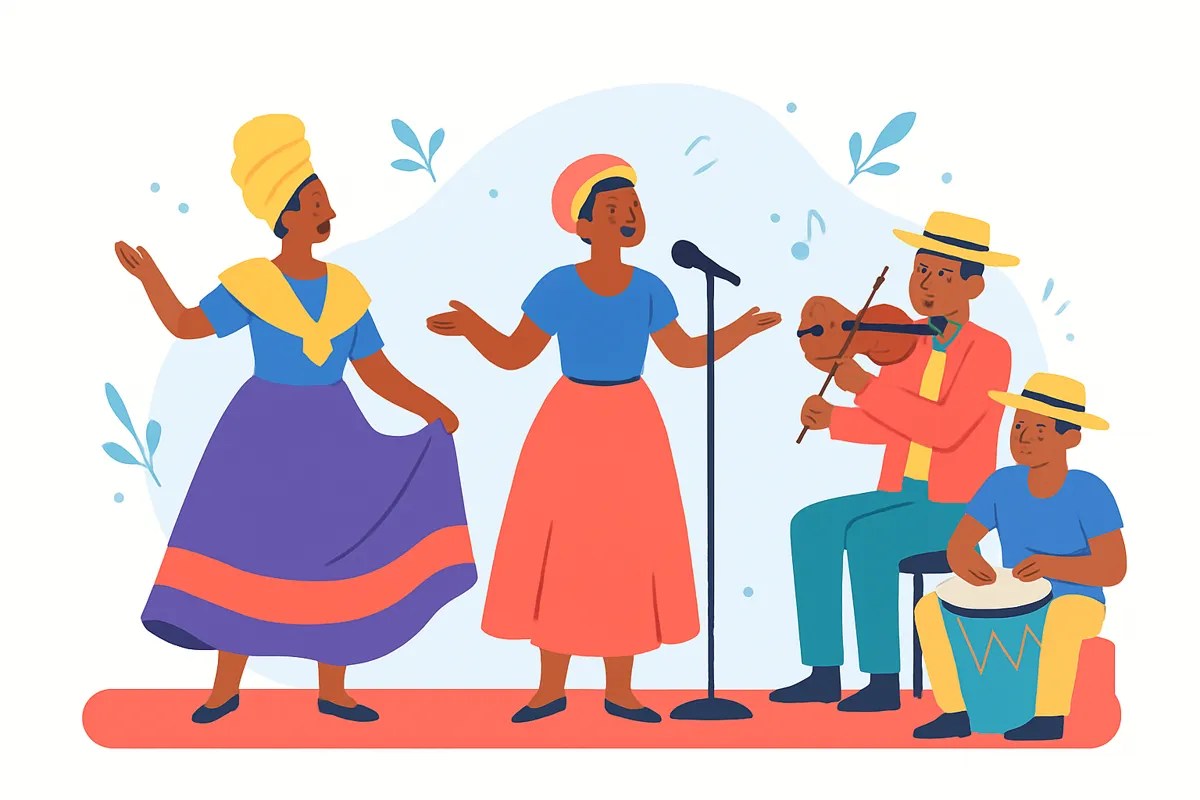
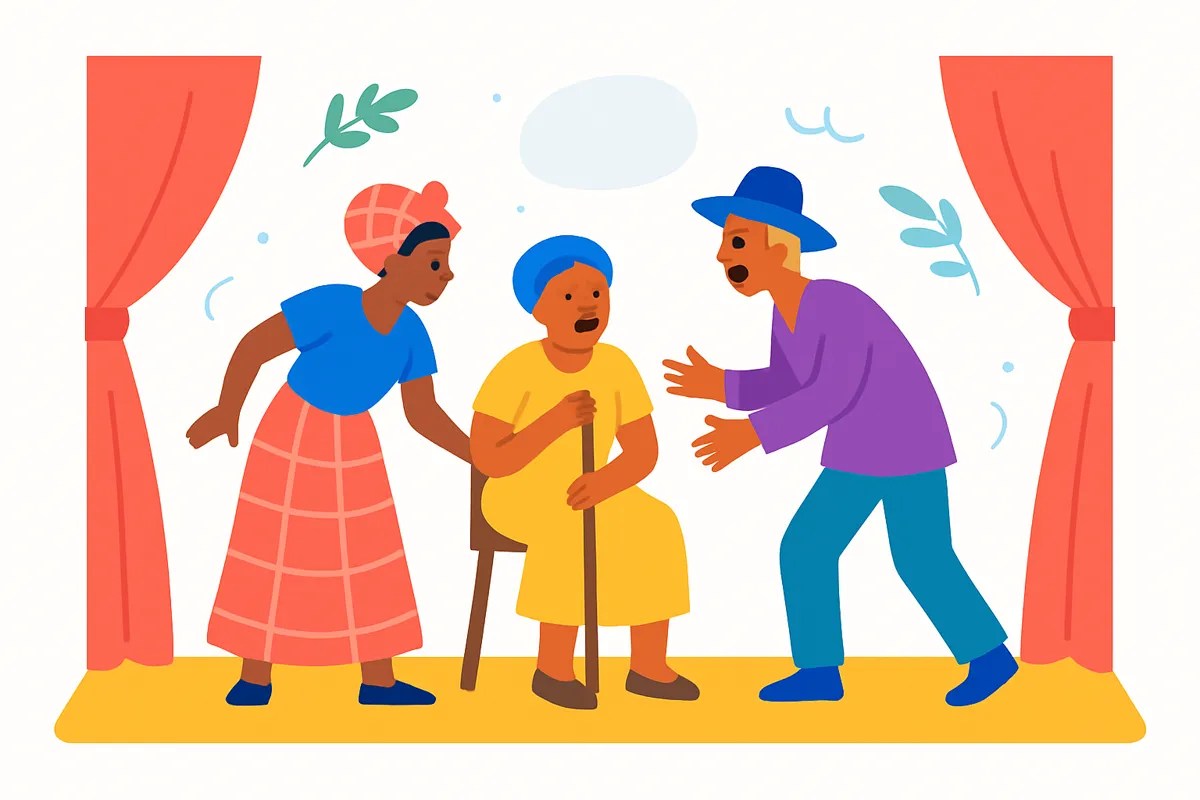
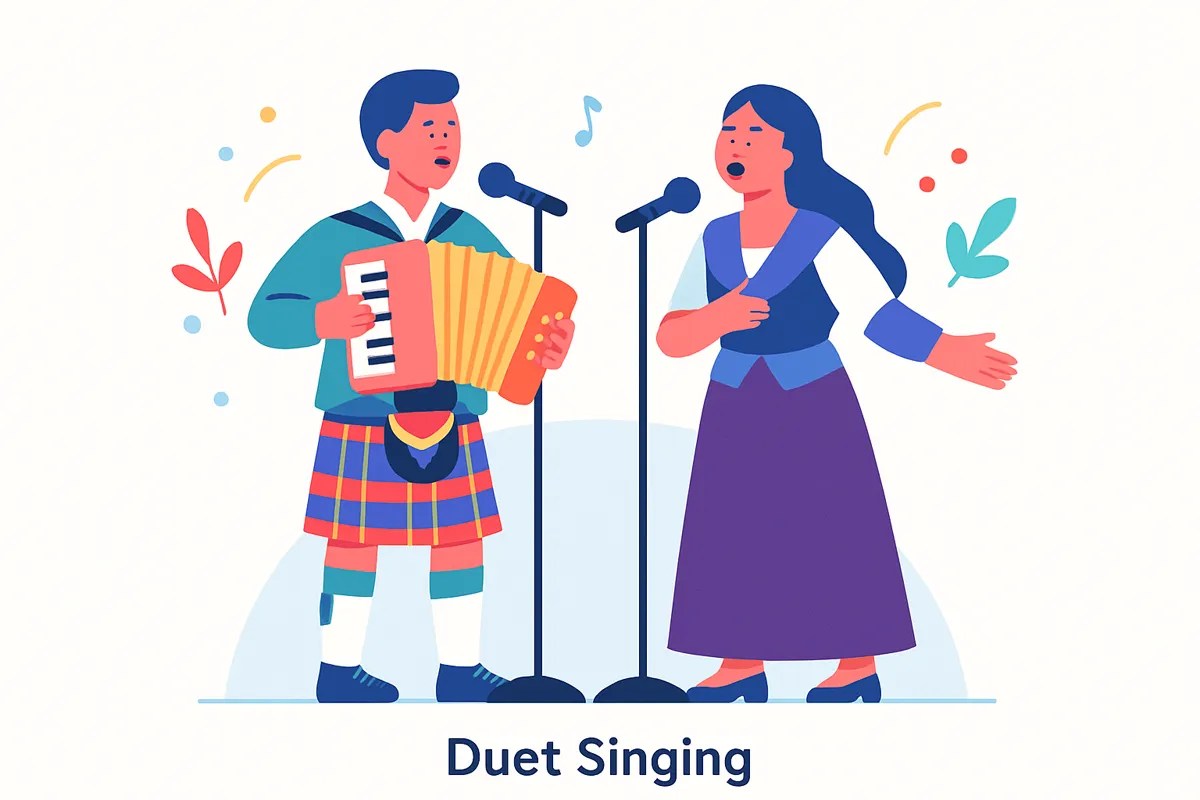
Ten classes are included. Three are solo: Character Study, Musical Character Study and Monologue. Three are small-ensemble classes: Duologue, Musical Duo and Musical Trio/Quartet. The remaining four are large-group pieces: Devised Non-Musical Group Work, Devised Musical Group Work, Scripted Musical Group Work and Scene from a Play, each needing between 8 and 30 performers. The original syllabus has far more classes, such as poetry, prose reading, sight reading and bible reading; this template keeps only those that share a common set of age boundaries.
Six age bands run through the programme: 4 to 8, 9 to 10, 11 to 12, 13 to 14, 15 to 17 and 18 and over. Time limits grow with age. A solo Character Study starts at 3 minutes and rises to 5, the small-ensemble classes run from 4 to 6 minutes, and the group classes allow 15 minutes for the younger three bands and 20 for the older three. Every item is scored on a nominal ten-point judge scale, because the source uses percentage-banded certificate tiers rather than a published points table.
Entry fees are set to zero on every item so each organiser enters their own, and no rank table is installed, since the original festival honours winners through a long list of named trophies rather than a numeric ranking. An organiser can add trophies, ranks or grade bands in eTalenter to suit their own event.
Where this event comes from
The programme is drawn from the official 2026 speech and drama syllabus of a Channel Islands eisteddfod whose speech and drama section has run for around fifty years.
Where this event is run
The structure suits a speech and drama festival, an eisteddfod-style competition, a drama school showcase or a youth theatre day where each class has its own age ladder and a visiting adjudicator. It also works for a school that wants a spoken-word and theatre strand with solo, pair and whole-class entries. Keep only the classes you can staff with an adjudicator and a stage slot.
- Channel Islands
- United Kingdom
Key facts
- 10 classes: 3 solo, 3 small-ensemble and 4 large-group, across 6 age bands from 4 to 8 up to 18 and over.
- Solo classes run 3 to 6 minutes; Duologue, Musical Duo and Musical Trio/Quartet run 4 to 6 minutes per entry.
- The four group classes need 8 to 30 performers and are timed at 15 minutes (younger three bands) or 20 minutes (older three).
- Scored on a nominal ten-point judge scale; the source festival uses percentage-banded certificates, not a points table.
- Entry fees start at zero, and no rank table is installed; organisers add their own awards.
- Only 10 of the original syllabus’s many classes are included; poetry, prose and sight-reading classes are not.
- Age groups
- 6
- Competition items
- 10
- Competitions
- 59
- Grade bands
- 0
- Rank awards
- 0
Age groups
Every candidate is placed into one of these groups by age, and competitions are run per group.
9 and under

Candidates aged 4 to 8 compete in this group
9 and under 11

Candidates aged 9 to 10 compete in this group
11 and under 13

Candidates aged 11 to 12 compete in this group
13 and under 15
Candidates aged 13 to 14 compete in this group
15 and under 18

Candidates aged 15 to 17 compete in this group
18 and over

Candidates aged 18 to 120 compete in this group
Competition items
The events themselves — each with the category it belongs to and how judges score it.





Competitions by group
The full schedule matrix, sectioned by age group then category — which item runs for whom, and for how long.
| Item | Type | Gender | Language | Max score | Time limit |
|---|---|---|---|---|---|
| 9 and under | |||||
| Action | |||||
| Item | Type | Gender | Language | Max score | Time limit |
| Character Study | Individual | — | English | 10 | 3 min |
| Musical Character Study | Individual | — | English | 10 | 3m 30s |
| Monologue | Individual | — | English | 10 | 3 min |
| Duologue | Team | — | English | 10 | 4 min |
| Musical Duo | Team | — | English | 10 | 4 min |
| Musical Trio/Quartet | Team | — | English | 10 | 4 min |
| Devised Non-Musical Group Work | Team | — | English | 10 | 15 min |
| Devised Musical Group Work | Team | — | English | 10 | 15 min |
| Scripted Musical Group Work | Team | — | English | 10 | 15 min |
| Scene from a Play | Team | — | English | 10 | 15 min |
| 9 and under 11 | |||||
| Action | |||||
| Item | Type | Gender | Language | Max score | Time limit |
| Character Study | Individual | — | English | 10 | 3m 30s |
| Musical Character Study | Individual | — | English | 10 | 4 min |
| Monologue | Individual | — | English | 10 | 3m 30s |
| Duologue | Team | — | English | 10 | 4 min |
| Musical Duo | Team | — | English | 10 | 4 min |
| Musical Trio/Quartet | Team | — | English | 10 | 4 min |
| Devised Non-Musical Group Work | Team | — | English | 10 | 15 min |
| Devised Musical Group Work | Team | — | English | 10 | 15 min |
| Scripted Musical Group Work | Team | — | English | 10 | 15 min |
| Scene from a Play | Team | — | English | 10 | 15 min |
| 11 and under 13 | |||||
| Action | |||||
| Item | Type | Gender | Language | Max score | Time limit |
| Character Study | Individual | — | English | 10 | 3m 30s |
| Musical Character Study | Individual | — | English | 10 | 4 min |
| Monologue | Individual | — | English | 10 | 3m 30s |
| Duologue | Team | — | English | 10 | 5 min |
| Musical Duo | Team | — | English | 10 | 5 min |
| Musical Trio/Quartet | Team | — | English | 10 | 5 min |
| Devised Non-Musical Group Work | Team | — | English | 10 | 15 min |
| Devised Musical Group Work | Team | — | English | 10 | 15 min |
| Scripted Musical Group Work | Team | — | English | 10 | 15 min |
| Scene from a Play | Team | — | English | 10 | 15 min |
| 13 and under 15 | |||||
| Action | |||||
| Item | Type | Gender | Language | Max score | Time limit |
| Character Study | Individual | — | English | 10 | 4 min |
| Musical Character Study | Individual | — | English | 10 | 4m 30s |
| Monologue | Individual | — | English | 10 | 4 min |
| Duologue | Team | — | English | 10 | 5 min |
| Musical Duo | Team | — | English | 10 | 5 min |
| Musical Trio/Quartet | Team | — | English | 10 | 5 min |
| Devised Non-Musical Group Work | Team | — | English | 10 | 20 min |
| Devised Musical Group Work | Team | — | English | 10 | 20 min |
| Scripted Musical Group Work | Team | — | English | 10 | 20 min |
| Scene from a Play | Team | — | English | 10 | 20 min |
| 15 and under 18 | |||||
| Action | |||||
| Item | Type | Gender | Language | Max score | Time limit |
| Character Study | Individual | — | English | 10 | 4 min |
| Musical Character Study | Individual | — | English | 10 | 4m 30s |
| Monologue | Individual | — | English | 10 | 4 min |
| Duologue | Team | — | English | 10 | 6 min |
| Musical Duo | Team | — | English | 10 | 6 min |
| Musical Trio/Quartet | Team | — | English | 10 | 6 min |
| Devised Non-Musical Group Work | Team | — | English | 10 | 20 min |
| Devised Musical Group Work | Team | — | English | 10 | 20 min |
| Scripted Musical Group Work | Team | — | English | 10 | 20 min |
| Scene from a Play | Team | — | English | 10 | 20 min |
| 18 and over | |||||
| Action | |||||
| Item | Type | Gender | Language | Max score | Time limit |
| Character Study | Individual | — | English | 10 | 5 min |
| Musical Character Study | Individual | — | English | 10 | 6 min |
| Duologue | Team | — | English | 10 | 6 min |
| Musical Duo | Team | — | English | 10 | 6 min |
| Musical Trio/Quartet | Team | — | English | 10 | 6 min |
| Devised Non-Musical Group Work | Team | — | English | 10 | 20 min |
| Devised Musical Group Work | Team | — | English | 10 | 20 min |
| Scripted Musical Group Work | Team | — | English | 10 | 20 min |
| Scene from a Play | Team | — | English | 10 | 20 min |
Frequently asked questions
Can I change this template after installing it?
Yes — installing it creates a fully configured, live event, not a locked package. Every age group, competition item, rule and scoring setting can be edited afterwards to match exactly what your event actually needs.
Do I need technical knowledge to set this up?
No. Installing a template does the setup work for you; you only need to review the details (dates, unit or house names) and open registration.
Want the fuller picture first? See our guide to judge scoring and tabulation software.
Install this template in eTalenter
Everything above is installed as a live, editable event in one step — age groups, items, rules and scoring. Start your own below.
Start a Eisteddfod Guernsey – Speech & Drama event
Was this guide useful?


