

Youth Festival · University
Sardar Patel University (Vallabh Vidyanagar, Gujarat) Inter-Collegiate Youth Festival, 2026-27 handbook, with 25 events across Music, Dance, Literary, Theatre and Fine Arts, with individual and group championship points.
Sets up an Indian inter-collegiate youth festival for students under 25: 25 items covering classical and light music, dance, quiz, elocution, debate, theatre and six on-the-spot fine arts, with solo and team groups and the printed 5-3-1 and 7-5-3 placing points.
This template rebuilds the rulebook of a university inter-collegiate youth festival in Gujarat, the kind of meet where colleges send contingents to a university round before the best performers move on to zonal and national festivals. It follows the 2026-27 handbook, which reproduces rules formulated for Indian university youth festivals. A coordinator opens an event that already carries two groups, twenty-five items and the placing points, instead of typing a long programme in by hand before college registrations open.
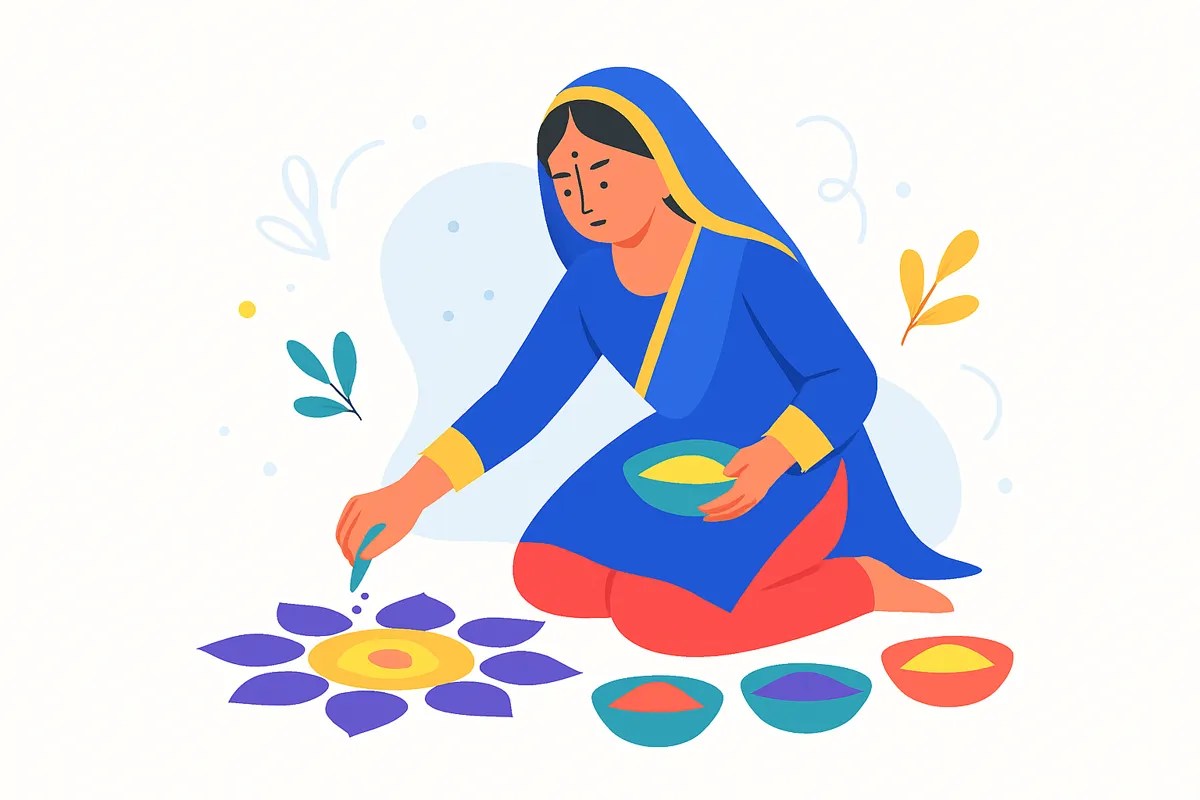
The programme has five families. Music has nine items: classical vocal, classical instrumental for percussion and for non-percussion, light vocal, Western vocal, Western instrumental, group song in the Indian and Western styles, and folk orchestra. Dance has three: folk or tribal dance, classical dance and creative choreography. Literary events are quiz, elocution and debate. Theatre has one act play, skits, mime and mimicry. Fine arts has six: on-the-spot painting, collage, poster making, clay modelling, cartooning and rangoli, each given two and a half hours.
Entrants are full-time students of a college or postgraduate department who are below 25 on 1 July of the festival year. Because the handbook prints only that upper limit, the 17 to 24 span is a working band used to build the two groups, Open Individual and Open Team. Fifteen items are solo and ten are team items. Every item is scored out of 100, and the printed times are maximums: 10 minutes for classical music and most group items, 6 for light and Western vocal, 8 for Western instrumental, 15 for classical dance, 5 for elocution, debate, mime and mimicry, and 30 for the one act play.
Placings carry points toward the General Championship: 5, 3 and 1 for first, second and third in an individual event, and 7, 5 and 3 in a group event. The handbook counts them only when at least five entries took part, which the platform does not enforce. Judging qualities are printed in words, such as tal and composition in music or theme and acting in theatre, with no marks, so no criteria are installed and each panel agrees its own weighting. The one-entry-per-college cap, contingent size, accompanist limits and grace timings are not modelled; apply them at registration. Check the current handbook for each year’s changes.
Where this event comes from
Indian university youth festivals follow a ladder from the university round through zonal festivals to a national festival, and the inter-collegiate round is run by individual universities each year. This template follows one university’s 2026-27 handbook.
Where this event is run
India, among college and university students, as the first rung of the university youth festival ladder. The structure suits any organiser staging an inter-collegiate or college cultural fest that mixes classical and folk performance, quiz and debate, theatre and on-the-spot fine arts, and wants solo and team entries ranked with the same placing points. It is less suited to a school festival or to one that needs printed per-criterion marks.
- India (Gujarat; university inter-collegiate round)
Key facts
- Two groups: Open Individual (fifteen solo items) and Open Team (ten team items), both working-banded at 17 to 24
- 25 items across music, dance, quiz, elocution, debate, theatre and fine arts
- Every item is marked out of 100; no per-criterion marks are printed, so the panel sets its own weights
- Printed placing points: 5, 3 and 1 for an individual event and 7, 5 and 3 for a group event
- The six fine arts items run 150 minutes; the one act play 30 minutes; the quiz carries no time limit in this template
- Age groups
- 2
- Competition items
- 25
- Competitions
- 25
- Grade bands
- 0
- Rank awards
- 6
Age groups
Every candidate is placed into one of these groups by age, and competitions are run per group.
Open Individual

Candidates aged 17 to 24 compete in this group
Open Team
Candidates aged 17 to 24 compete in this group
Competition items
The events themselves — each with the category it belongs to and how judges score it.
Classical Vocal Solo (Hindustani or Karnatik)
Classical Instrumental Solo (Percussion)
Classical Instrumental Solo (Non-Percussion)
Light Vocal (Indian)
Western Vocal Solo

Group Song (Indian)

Group Song (Western)
Folk Orchestra
Western Instrumental Solo
Folk/Tribal Dance
Classical Dance (Indian)
Creative Choreography
Quiz

Elocution

Debate

One Act Play
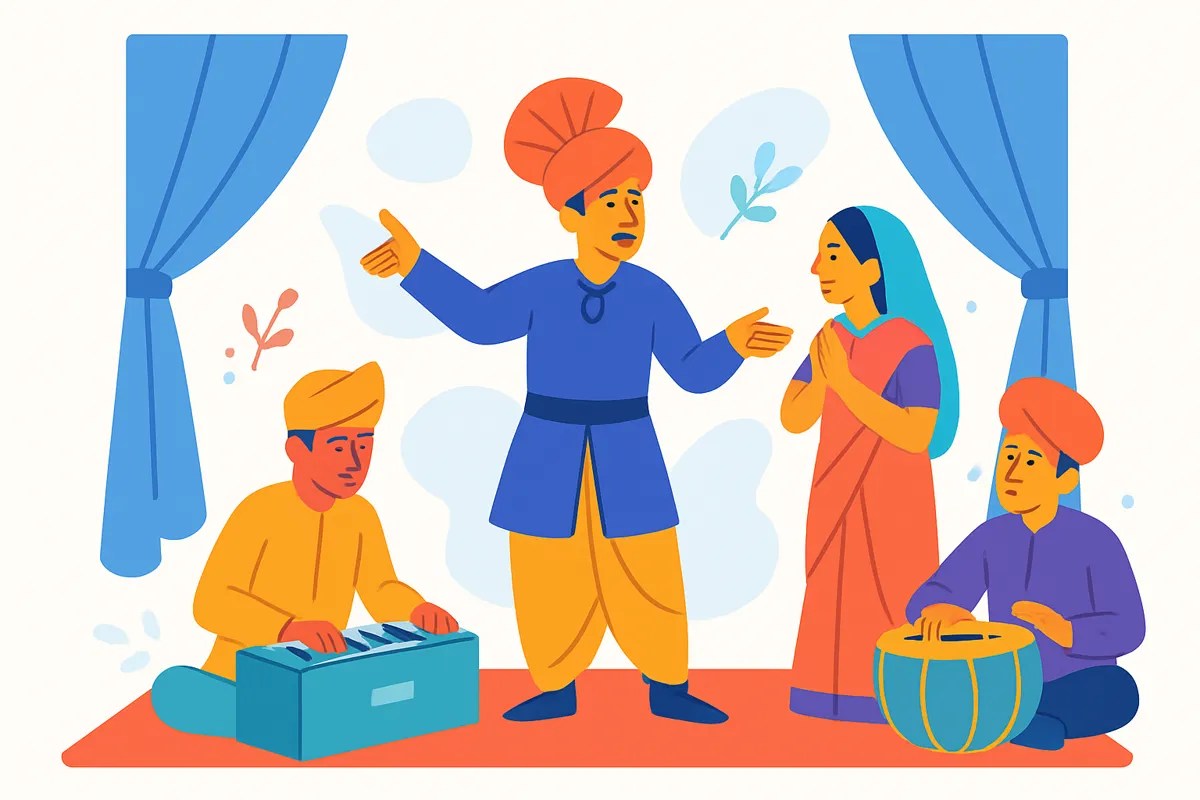
Skits
Mime
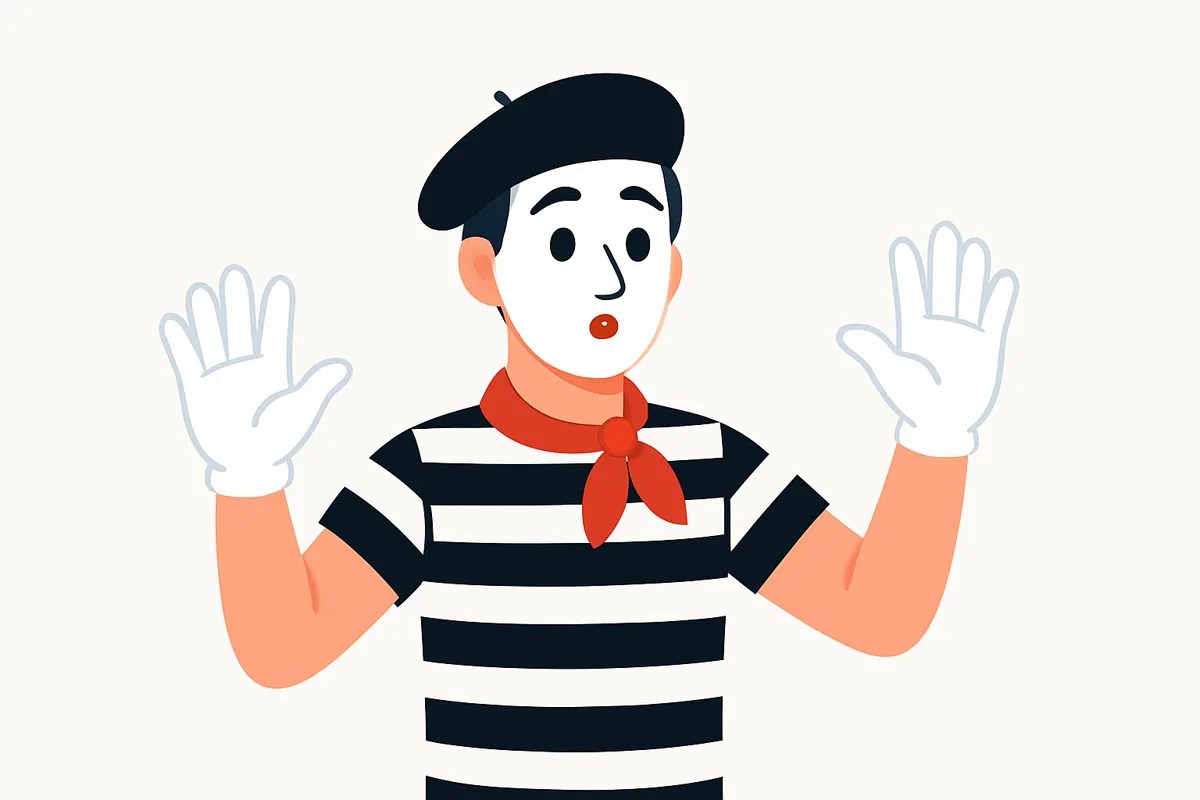
Mimicry

On The Spot Painting

Collage

Poster Making

Clay Modeling

Cartooning

Show all 25 items
Competitions by group
The full schedule matrix, sectioned by age group then category — which item runs for whom, and for how long.
| Item | Type | Gender | Language | Max score | Time limit |
|---|---|---|---|---|---|
| Open Individual | |||||
| Music | |||||
| Item | Type | Gender | Language | Max score | Time limit |
| Classical Vocal Solo (Hindustani or Karnatik) | Individual | — | — | 100 | 10 min |
| Classical Instrumental Solo (Percussion) | Individual | — | — | 100 | 10 min |
| Classical Instrumental Solo (Non-Percussion) | Individual | — | — | 100 | 10 min |
| Light Vocal (Indian) | Individual | — | — | 100 | 6 min |
| Western Vocal Solo | Individual | — | — | 100 | 6 min |
| Western Instrumental Solo | Individual | — | — | 100 | 8 min |
| Dance | |||||
| Item | Type | Gender | Language | Max score | Time limit |
| Classical Dance (Indian) | Individual | — | — | 100 | 15 min |
| Literary | |||||
| Item | Type | Gender | Language | Max score | Time limit |
| Elocution | Individual | — | — | 100 | 5 min |
| Action | |||||
| Item | Type | Gender | Language | Max score | Time limit |
| Mimicry | Individual | — | — | 100 | 5 min |
| Art | |||||
| Item | Type | Gender | Language | Max score | Time limit |
| On The Spot Painting | Individual | — | — | 100 | 150 min |
| Collage | Individual | — | — | 100 | 150 min |
| Poster Making | Individual | — | — | 100 | 150 min |
| Clay Modeling | Individual | — | — | 100 | 150 min |
| Cartooning | Individual | — | — | 100 | 150 min |
| Rangoli | Individual | — | — | 100 | 150 min |
| Open Team | |||||
| Music | |||||
| Item | Type | Gender | Language | Max score | Time limit |
| Group Song (Indian) | Team | — | — | 100 | 10 min |
| Group Song (Western) | Team | — | — | 100 | 10 min |
| Folk Orchestra | Team | — | — | 100 | 10 min |
| Dance | |||||
| Item | Type | Gender | Language | Max score | Time limit |
| Folk/Tribal Dance | Team | — | — | 100 | 10 min |
| Creative Choreography | Team | — | — | 100 | 10 min |
| Literary | |||||
| Item | Type | Gender | Language | Max score | Time limit |
| Quiz | Team | — | — | 100 | — |
| Debate | Team | — | — | 100 | 5 min |
| Action | |||||
| Item | Type | Gender | Language | Max score | Time limit |
| One Act Play | Team | — | — | 100 | 30 min |
| Skits | Team | — | — | 100 | 10 min |
| Mime | Team | — | — | 100 | 5 min |
Grades and ranks
How scores turn into grade bands, and how many points each placing is worth.
| Grade | For | Condition | Score | Points |
|---|---|---|---|---|
| Rank | For | Points |
|---|---|---|
| First | Individual | 5 |
| Second | Individual | 3 |
| Third | Individual | 1 |
| First | Team | 7 |
| Second | Team | 5 |
| Third | Team | 3 |
Frequently asked questions
Can I change this template after installing it?
Yes — installing it creates a fully configured, live event, not a locked package. Every age group, competition item, rule and scoring setting can be edited afterwards to match exactly what your event actually needs.
Do I need technical knowledge to set this up?
No. Installing a template does the setup work for you; you only need to review the details (dates, unit or house names) and open registration.
Want the fuller picture first? See our guide to judge scoring and tabulation software.
Install this template in eTalenter
Everything above is installed as a live, editable event in one step — age groups, items, rules and scoring. Start your own below.


