

A staged Jamaican song-and-dance entry that combines two to four traditional folk forms in one four-minute presentation, with dancers who also sing.
Traditional Folk Forms – Medley of Folk Forms is the eighty-fourth and final entry on the Jamaican national performing arts festival template, and the last of the seventeen items in its Traditional Folk Forms discipline. It is a team entry in English, open to boys and girls together, with a four-minute limit and the warning bell at three minutes.
The 2026 festival handbook describes it as a combined song and dance item based on Jamaican folk materials, with elements taken from traditional forms such as Kumina or Congo, Revival, Gerreh and Dinki Mini. The handbook’s category list defines it as a combination of two or more of the folk forms numbered four to fifteen, and the explanatory note sets the range at a minimum of two and a maximum of four folk forms in the one presentation.
The cast is twelve to sixteen dancers who are also the singers: the handbook says the dancers must sing and dance as they perform, and that a group of singers and musicians accompanying a set of dancers does not qualify for the category. Drummers and other musicians are extra to that count and, where used, must not exceed six. Folk forms other than Quadrille and Maypole are performed to live music, on instruments that relate to the forms being shown.
What an entry looks like in practice is a single piece that moves from one tradition to the next, for example from the drumming and ground-hugging movement of one form into the call-and-response of another, held together by a theme or mood. Organisers keep it on the programme because it lets a school or community group show several strands of folk heritage in one slot, and because it rewards creative staging as well as accurate tradition.
Where Traditional Folk Forms – Medley of Folk Forms is run
On eTalenter this item is used in one template, the Jamaican national performing arts festival template, where it is a Traditional Folk Forms entry assigned as a team of boys and girls to all seven classes, Class 1 (ages 3 to 6) up to Class 6 (adults) plus the combined Class 7. The festival runs in three stages, parish auditions, parish finals and national finals. The handbook does not allow participants in Classes 1 and 2 to enter this category, so confirm the classes your organiser opens before registering.
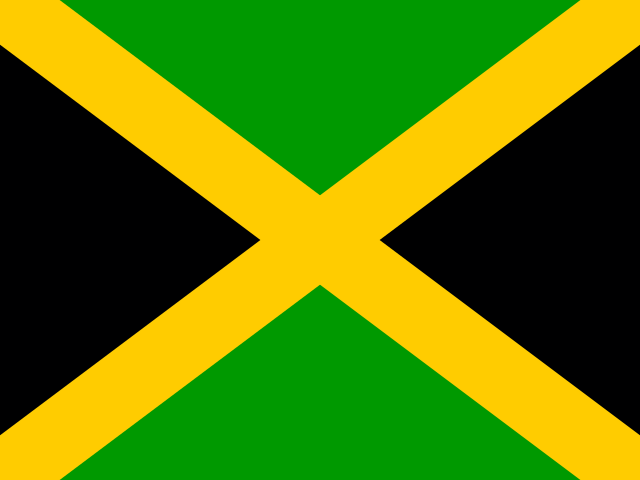
- Jamaica (the national performing arts festival the template is built from)
Key facts
- Team entry of boys and girls in English, listed on the template for all seven classes, although the handbook bars Classes 1 and 2 from the category
- Four-minute limit with the warning bell at three minutes
- Two to four traditional folk forms combined in one presentation, drawn from handbook folk forms such as Kumina, Revival, Gerreh and Dinki Mini
- Twelve to sixteen dancers who also sing, plus drummers and musicians who must not exceed six; adult community groups may field a smaller cast of eight dancers upwards
- Judged on eight headings worth 100 at parish auditions, 100 at parish finals and 50 at the national finals
- Ideas, not rules: choose forms whose rhythms contrast, agree one linking theme before choreographing, and plan a clear musical hand-over between each form
On eTalenter, Traditional Folk Forms – Medley of Folk Forms is filed under On Stage and typically scored with Marks. It appears in 1 ready-made event templates — each one can adjust its time limit, age-group assignment and scoring setup independently.
Across the templates that use it, Traditional Folk Forms – Medley of Folk Forms is most often entered as an Team competition, typically scored out of 100, commonly time-limited to around 4 minutes where a limit is set.
The scoring method the templates attach to this item, and what that scale means. The category this competition is filed under when a template is installed. Others in this category: Dance, Music, Drama, Mimicry, Debate, Elocution, Story Telling, Group Song, Action Song eTalenter matches an item to its criteria on the words in its name, and creates exactly these when the template is installed. No criteria match this name, so none are created automatically — judges score it on the event’s own criteria instead.How it is scored
Where it sits
Judging criteria installed for it
What judges look at in Traditional Folk Forms – Medley of Folk Forms
What a Traditional Folk Forms – Medley of Folk Forms panel is actually weighing up, and where the marks are usually won or lost:
- Traditional content (20, 20 and 10) is one of the two heaviest headings: every form in the medley must still be recognisable, with its own songs, rhythms and movement vocabulary, rather than a generic folk-style routine
- Creative content (20, 20 and 10) rewards how the forms are combined: the choice of forms, the order, the transitions and the idea that links them. A medley that reads as separate pieces stuck together loses marks here
- Musicality (15, 15 and 7) covers singing and live rhythm: dancers who sing in tune and in time, and drums and voices that stay together through every change of form
- Relevance of form, theme and mood (15, 15 and 5) and development of form, theme and mood (10, 10 and 5): the mood of each form should be right for what it represents, and the piece should build rather than repeat
- Vocabulary (10, 10 and 5), costuming (5, 5 and 5) and staging and presentation (5, 5 and 3): correct steps for each tradition, dress that keeps the authenticity of the forms shown, and tidy use of the stage. These are the smaller headings, but they separate close teams
Treat these as the judging focus, not a fixed rubric: publish your own weighted criteria for Traditional Folk Forms – Medley of Folk Forms under Scoring Setup, or start from the full folk dance judging criteria guide.
How to prepare for Traditional Folk Forms – Medley of Folk Forms
How entrants and their teachers usually get Traditional Folk Forms – Medley of Folk Forms right on the day:
- Choose your forms first. Pick two to four from the handbook list and check that your group has access to knowledgeable teachers or community members for each of them
- Choose forms that contrast in tempo and feeling so the medley has shape, then write a one-line theme that explains why they sit together
- Teach every dancer to sing their parts. Because the dancers must sing and dance, rehearse songs standing still before adding movement, and keep the musicians to six or fewer
- Plan the transitions on paper: who changes position, which drum pattern signals the next form, and how long each form gets inside the four minutes
- Keep each form authentic. The handbook asks for strong traditional content without losing authenticity, no animal sacrifice and no rum as libation, and tights, leotards and T-shirts are not accepted as costume
- Respect the footwear rule: Kumina, Maroon Dance and Zella are danced without shoes while all other folk forms need uniform footwear, so check what your chosen mix means for the group
- Time full run-throughs with the live band and aim to finish inside four minutes; the bell sounds at three
- Score yourselves against the eight headings at rehearsal, and after the result compare the adjudicator comments with them: low traditional marks mean more research, low creative marks mean the transitions need work
Ready-made templates that already include this competition. Installing one sets it up for you.Events that run this (1)
Frequently asked questions
Is Traditional Folk Forms – Medley of Folk Forms judged individually or as a team?
Across eTalenter’s templates it’s most often run as an Team entry, though an organiser can set either participation type when assigning the item to an age group.
What is the Medley of Folk Forms?
It is a staged song and dance item that combines elements of two to four Jamaican folk forms, such as Kumina, Revival, Gerreh or Dinki Mini, in a single four-minute presentation.
How many folk forms must a medley contain?
The handbook sets a minimum of two and a maximum of four folk forms.
Do the dancers have to sing?
Yes. The handbook says the dancers must sing and dance as they perform, and a group of singers and musicians accompanying a set of dancers does not qualify. Drummers and other musicians may be added, up to six.
How many people can take part?
Twelve to sixteen dancers, not counting drummers and other musicians who must not exceed six. Adult community groups may enter with a smaller cast of eight dancers upwards.
Can young children enter?
The handbook does not allow participants in Classes 1 and 2 to perform in this category, even though the template lists it for every class. Check with your organiser which classes are open.
How is it judged?
On eight headings worth 100 at parish auditions and parish finals and 50 at the national finals: traditional content, creative content, musicality, relevance of form, theme and mood, development of form, theme and mood, vocabulary, costuming, and staging and presentation.
Similar competitions
Items whose names share a word with this one — usually the same discipline in another form.
- Traditional Folk Forms - Wake / Ni Nite 1
- Traditional Folk Forms - Mento 1
- Traditional Folk Forms - Ring Games 1
- Traditional Folk Forms - Maypole 1
- Traditional Folk Forms - Quadrille 1
- Traditional Folk Forms - Revival 1
- Traditional Folk Forms - Tambu 1
- Traditional Folk Forms - Nago 1
- Traditional Folk Forms - John Canoe / Jonkunnu 1
- Music - Vocal Jamaican Traditional Folk Forms 1
- Traditional Folk Forms - Bruckins 1
- Traditional Folk Forms - Kumina 1
Want the full judging picture? Read the full folk dance judging criteria guide, or browse every on stage competition item.
Try Traditional Folk Forms – Medley of Folk Forms in eTalenter
See every ready-made template that runs Traditional Folk Forms – Medley of Folk Forms, and install one as a live event — age groups, rules and scoring included.
See where Traditional Folk Forms – Medley of Folk Forms is used
Was this guide useful?


